
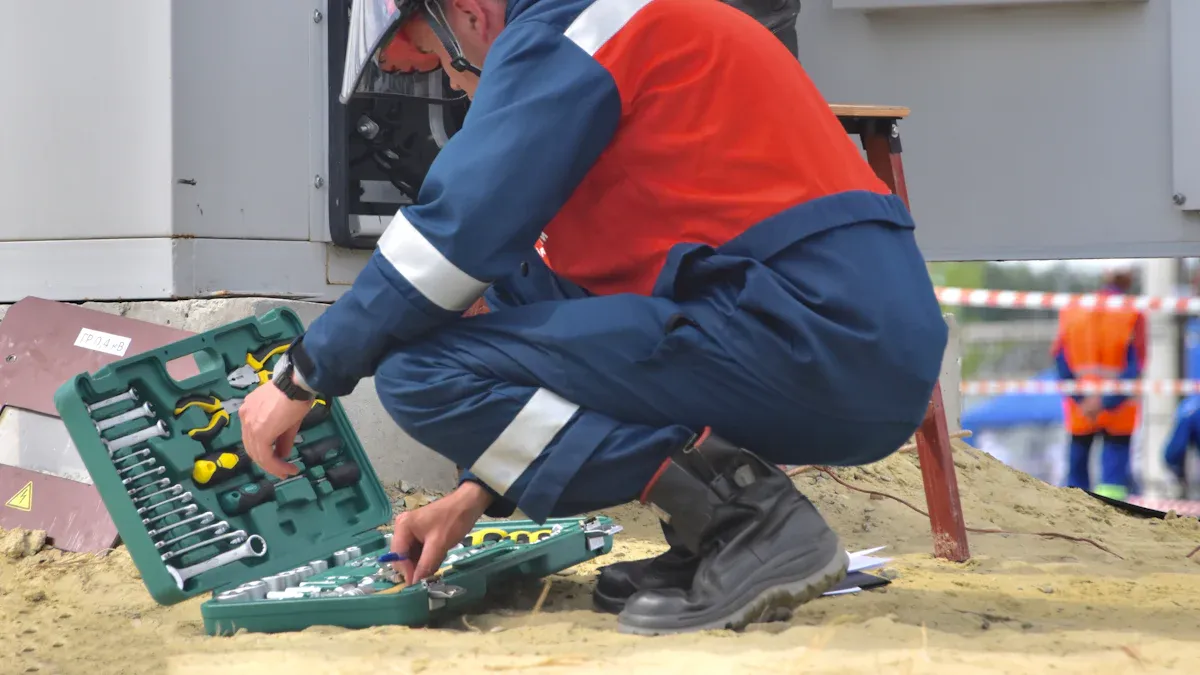
आप विद्युत प्रणालियों को व्यवस्थित और सुरक्षित करके कारखाने की सुरक्षा में सुधार करते हैं। औद्योगिक वायरिंग हार्नेसऔद्योगिक वायरिंग हार्नेस आपके केबलों और कनेक्शनों के लिए एक संरचित वातावरण बनाता है। इससे शॉर्ट सर्किट, आग और आकस्मिक संपर्क का खतरा कम हो जाता है। कारखाने की विद्युत प्रणालियों में आपको कई खतरों का सामना करना पड़ता है, जैसे:
पर्यावरणीय और यांत्रिक तनाव
विद्युत लघु या खुला परिपथ
कनेक्टर या टर्मिनेशन संबंधी समस्याएं
विनिर्माण या असेंबली दोष
औद्योगिक वायरिंग हार्नेस का उपयोग करके, आप तारों को सुरक्षित रखते हैं, क्षति के जोखिम को कम करते हैं और रखरखाव को सुव्यवस्थित करते हैं। इससे श्रमिकों के लिए सुरक्षित कार्यस्थल बनते हैं और लागतपूर्ण डाउनटाइम कम होता है। औद्योगिक वायरिंग हार्नेस व्यावहारिक सुरक्षा लाभ प्रदान करता है जो आपके कार्यों को प्रतिदिन सुरक्षित रखता है।
औद्योगिक वायरिंग हार्नेस विद्युत प्रणालियों को व्यवस्थित और सुरक्षित रखते हैं, जिससे शॉर्ट सर्किट और आग लगने का खतरा कम हो जाता है।
वायरिंग हार्नेस का उपयोग करने से तार सुरक्षित रहते हैं और क्षति का खतरा कम हो जाता है, जिससे श्रमिकों की सुरक्षा बढ़ती है।
हार्नेस कनेक्शनों को आसानी से पहचानने और उन तक पहुंचने योग्य बनाकर रखरखाव को सरल बनाते हैं, जिससे डाउनटाइम कम हो जाता है।
वायरिंग हार्नेस में उच्च गुणवत्ता वाली सामग्री कठोर कारखाना वातावरण में दीर्घकालिक विश्वसनीयता सुनिश्चित करती है।
वायरिंग हार्नेस अव्यवस्था को कम करके और वायरिंग त्रुटियों को रोककर सिस्टम के प्रदर्शन में सुधार करते हैं।
सही ढंग से डिजाइन किए गए हार्नेस सुरक्षा मानकों को पूरा करने में मदद करते हैं, जिससे ऑडिट के दौरान अनुपालन सुनिश्चित होता है।
व्यवस्थित वायरिंग लेआउट आकस्मिक संपर्क को रोकता है, जिससे बिजली के झटके और चोट का खतरा कम हो जाता है।
क्विक टर्मिनल वायरिंग हार्नेस इंस्टॉलेशन और रखरखाव को सुव्यवस्थित करते हैं, जिससे समय की बचत होती है और सुरक्षा में सुधार होता है।
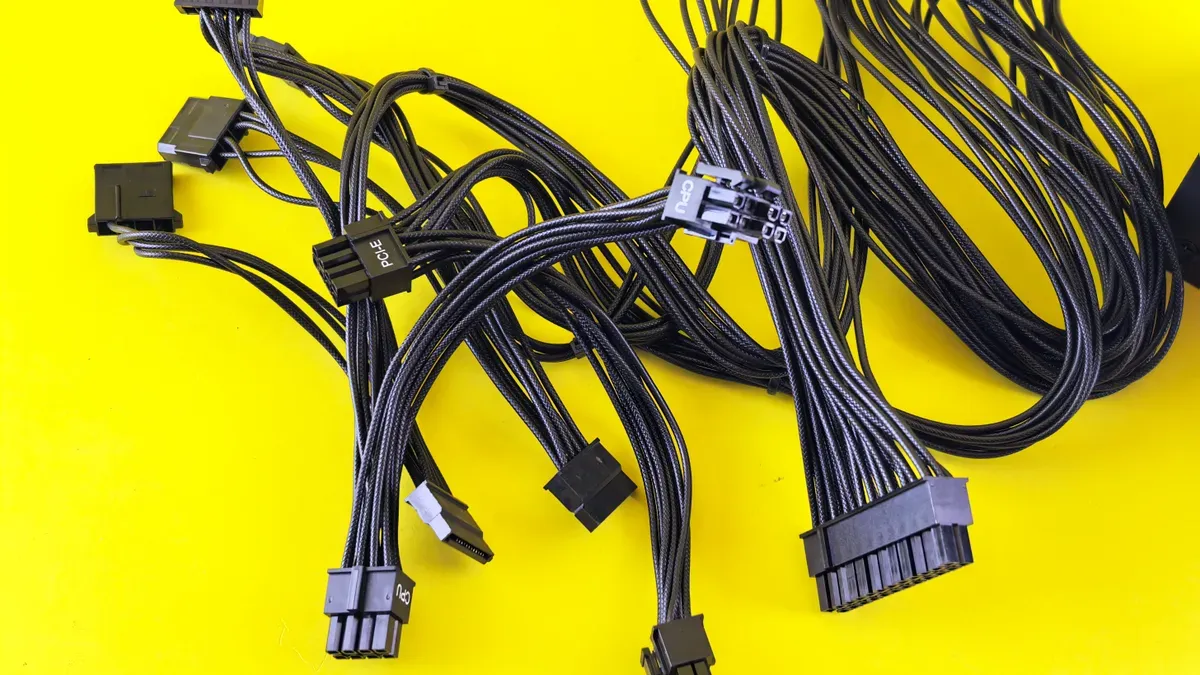
वायरिंग हार्नेस आपकी फैक्ट्री के विद्युत तंत्र की रीढ़ की हड्डी है। इसका उपयोग कई तारों और केबलों को एक ही एकीकृत संरचना में बांधने, व्यवस्थित करने और सुरक्षित रखने के लिए किया जाता है। यह तरीका जटिल वायरिंग लेआउट को सरल बनाता है और यह सुनिश्चित करता है कि प्रत्येक कनेक्शन सुरक्षित और सुलभ रहे। वायरिंग हार्नेस लगाने से मशीनरी, स्वचालन प्रणालियों और बिजली वितरण पैनलों को जोड़ने की प्रक्रिया आसान हो जाती है।
एक सामान्य वायर हार्नेस में कई आवश्यक भाग होते हैं:
तार और केबल: उपकरणों के बीच विद्युत शक्ति या संकेतों का परिवहन करना।
कनेक्टर और टर्मिनलउपकरणों से जोड़ने के लिए सुरक्षित अटैचमेंट पॉइंट प्रदान करें।
इन्सुलेशन सामग्रीतारों को नमी, रसायनों और घर्षण से बचाएं।
सुरक्षात्मक आवरण या ट्यूबिंगकारखाने की कठोर परिस्थितियों से बचाव के लिए सुरक्षा की एक और परत जोड़ें।
क्लैंप और टाई: हार्नेस को अपनी जगह पर स्थिर रखें और हिलने-डुलने या कंपन को रोकें।
बख्शीश: आपके वायर हार्नेस में उच्च गुणवत्ता वाली सामग्री दीर्घकालिक विश्वसनीयता सुनिश्चित करती है और चुनौतीपूर्ण वातावरण में विफलता के जोखिम को कम करती है।
आप अपने पूरे परिसर में बिजली और डेटा सिग्नल भेजने के लिए वायर हार्नेस पर निर्भर रहते हैं। तारों को एक साथ व्यवस्थित करके आप अव्यवस्था को कम करते हैं और वायरिंग त्रुटियों की संभावना को भी घटाते हैं। यह व्यवस्थित व्यवस्था न केवल सुरक्षा बढ़ाती है बल्कि सिस्टम के प्रदर्शन को भी बेहतर बनाती है। आप समस्याओं को तुरंत पहचान कर उनका निवारण कर सकते हैं, जिससे आपका संचालन सुचारू रूप से चलता रहता है।
कारखानों को कुशल, सुरक्षित और विश्वसनीय विद्युत प्रणालियों की आवश्यकता होती है। आपको स्थान की कमी, गर्मी या रसायनों के संपर्क में आने जैसी चुनौतियों का सामना करना पड़ता है, साथ ही त्वरित रखरखाव की आवश्यकता भी होती है। वायर हार्नेस इन आवश्यकताओं को निम्नलिखित तरीकों से पूरा करता है:
जटिल विद्युत प्रणालियों की असेंबली और कनेक्शन को सरल बनाना।
तारों और केबलों को भौतिक क्षति और पर्यावरणीय खतरों से बचाना।
स्थापना समय को कम करना और घटकों की पहचान को आसान बनाना।
तारों को सुरक्षित रखकर और आकस्मिक संपर्क को रोककर सुरक्षा को बढ़ाना।
विशेषता | तार साज़ | केबल असेंबली |
|---|---|---|
निर्माण | कई तारों को ट्यूबिंग या टाई से बांधता है | सुरक्षात्मक जैकेट में बंद |
सुरक्षा | कठोर परिस्थितियों के प्रति कम प्रतिरोधी | यह उत्कृष्ट सुरक्षा और टिकाऊपन प्रदान करता है। |
लागत | अधिक किफायती | अतिरिक्त सुविधाओं के कारण लागत अधिक होगी |
FLEXIBILITY | हल्का और लचीला | पुनर्कार्य के लिए कम लचीला |
इसके लिए सबसे उपयुक्त | सीमित जोखिम वाले नियंत्रित वातावरण | कठोर वातावरण में टिकाऊपन की आवश्यकता होती है |
वायर हार्नेस से मिलने वाली व्यवस्थितता और सुरक्षा से आपको लाभ होता है। यह समाधान आपके तारों को सुव्यवस्थित रखता है, उनकी आयु बढ़ाता है और बिजली दुर्घटनाओं के जोखिम को कम करता है। वायरिंग हार्नेस का चुनाव करके आप एक सुरक्षित और अधिक कुशल कारखाना वातावरण बनाते हैं।
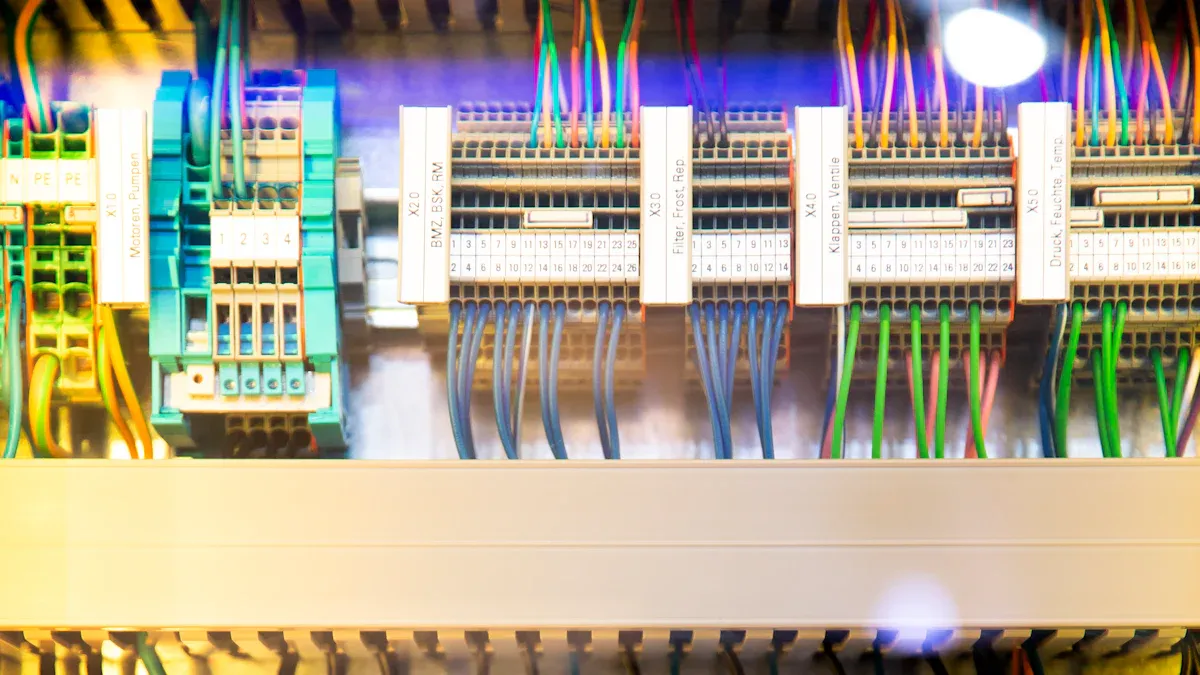
कारखाने के वातावरण में बिजली के शॉर्ट सर्किट और आग लगने का खतरा काफी अधिक होता है। वायरिंग हार्नेस तारों को व्यवस्थित और भौतिक क्षति से सुरक्षित रखकर इन खतरों को रोकने में मदद करता है। सही ढंग से डिज़ाइन किए गए वायरिंग हार्नेस का उपयोग करने से खुले कंडक्टरों के आपस में या धातु की सतहों से संपर्क में आने की संभावना कम हो जाती है। यह व्यवस्थित व्यवस्था शॉर्ट सर्किट के जोखिम को कम करती है, जिससे आग लगने या उपकरण खराब होने का खतरा कम हो जाता है।
वायरिंग हार्नेस विद्युत परिपथों को झटके, कंपन और मलबे से बचाते हैं।
वे स्थापना समय बचाते हैं और स्थान का अनुकूलन करते हैं, जिससे अव्यवस्था कम होती है जो आकस्मिक शॉर्ट सर्किट का कारण बन सकती है।
उचित डिजाइन संबंधी निर्णय आपके वायरिंग हार्नेस की सुरक्षा और विश्वसनीयता को बढ़ाते हैं।
एक ढीला तार भी शॉर्ट सर्किट या ओपन सर्किट का कारण बन सकता है। वायरिंग हार्नेस में खराबी आने पर इसके गंभीर परिणाम हो सकते हैं, खासकर महत्वपूर्ण अनुप्रयोगों में। आपको अपने कारखाने और कर्मचारियों की सुरक्षा के लिए जोखिमों से निपटने के तरीके समझने होंगे।
ढीले या उलझे हुए तार आकस्मिक संपर्क का खतरा बढ़ाते हैं। तारों को बांधने और सुरक्षित करने के लिए वायरिंग हार्नेस का उपयोग करके आप इन घटनाओं को रोक सकते हैं। यह तरीका बिजली के तारों को पैदल रास्तों और कार्य क्षेत्रों से दूर रखता है, जिससे बिजली के झटके या चोट लगने की संभावना कम हो जाती है। इससे आपकी टीम के लिए खतरनाक क्षेत्रों की पहचान करना और उनसे बचना भी आसान हो जाता है।
आप अपने विद्युत तंत्र से निरंतर प्रदर्शन की अपेक्षा रखते हैं। वायरिंग हार्नेस सुरक्षित कनेक्शन और उचित इन्सुलेशन सुनिश्चित करके विश्वसनीयता को बढ़ाता है। निर्माता सख्त गुणवत्ता नियंत्रण प्रोटोकॉल और अंतर्राष्ट्रीय मानकों, जैसे IPC/WHMA-A-620 और ISO 9001 का पालन करते हैं। वे स्थापना से पहले प्रत्येक हार्नेस की जाँच के लिए निरंतरता, हाई-पॉट और पुल परीक्षण सहित उन्नत परीक्षण प्रक्रियाओं का उपयोग करते हैं।
मॉड्यूलर परीक्षण प्रणालियाँ वायर हार्नेस की गुणवत्ता और विश्वसनीयता बढ़ाने में महत्वपूर्ण भूमिका निभाती हैं। ये प्रणालियाँ लागत कम करने, उत्पादकता बढ़ाने और उच्च गुणवत्ता वाले उत्पाद प्रदान करने में सहायक होती हैं। इससे अप्रत्याशित विफलताओं की संख्या कम होती है और ग्राहकों की संतुष्टि बढ़ती है।
सही ढंग से डिजाइन और असेंबल किए गए वायर हार्नेस से विद्युत विफलताओं और शॉर्ट सर्किट का खतरा कम हो जाता है।
उच्च गुणवत्ता वाली वायरिंग असेंबली से रखरखाव में कमी और सिस्टम की लंबी आयु के कारण दीर्घकालिक लागत बचत होती है।
वायर हार्नेस उचित इन्सुलेशन सुनिश्चित करते हैं, जिससे विद्युत चुम्बकीय हस्तक्षेप और बिजली से लगने वाली आग का खतरा कम हो जाता है।
सुव्यवस्थित वायरिंग हार्नेस आपके कारखाने के कामकाज को पूरी तरह बदल देता है। इससे इंस्टॉलेशन का समय कम होता है और ढीले तारों की संख्या कम होने से सुरक्षा बढ़ती है। बेहतर व्यवस्था से आप समस्याओं का तुरंत पता लगा सकते हैं और उनका निवारण कर सकते हैं, जिससे आपका कामकाज सुचारू रूप से चलता रहता है।
तारों को व्यवस्थित और सुव्यवस्थित रखने से सुरक्षा में सुधार होता है।
इससे आपके वायरिंग सिस्टम की मजबूती बढ़ती है और नमी और गर्मी से सुरक्षा मिलती है।
सरलीकृत स्थापना और रखरखाव से आपका समय और संसाधन बचते हैं।
स्वच्छ और व्यवस्थित वायरिंग प्रणाली बनाए रखने से कार्यस्थल अधिक सुरक्षित और कुशल बनता है। इससे उपकरणों का जीवनकाल भी बढ़ता है और महंगे डाउनटाइम का जोखिम कम होता है।
फ़ायदा | कारखाने की सुरक्षा और कार्यक्षमता पर प्रभाव |
|---|---|
विद्युत संबंधी खतरों में कमी | कम शॉर्ट सर्किट, आग लगने की घटनाएं और आकस्मिक संपर्क |
बेहतर विश्वसनीयता | सिस्टम का सुसंगत प्रदर्शन |
उन्नत संगठन | समस्या निवारण और रखरखाव में तेजी |
अधिक टिकाऊपन | पर्यावरणीय तनाव से सुरक्षा |
जब आप अपने कारखाने के लिए वायरिंग हार्नेस का चयन करते हैं, तो आप सुरक्षा और दक्षता के लिए एक उच्च मानक स्थापित करते हैं।
अपने कारखाने में औद्योगिक वायरिंग हार्नेस का उपयोग करके आप अपने कर्मचारियों की सुरक्षा सुनिश्चित करते हैं। व्यवस्थित और इंसुलेटेड वायरिंग से बिजली के झटके, जलने और आकस्मिक संपर्क का खतरा कम हो जाता है। इससे बिजली के तार सुरक्षित रहते हैं और चलने के रास्तों या कार्यस्थलों से दूर रहते हैं। यह तरीका नियमित संचालन और रखरखाव के दौरान चोट लगने की संभावना को कम करता है। स्वचालित उत्पादन लाइनों और रोबोटिक इकाइयों में, बिजली की खराबी के कारण होने वाले अप्रत्याशित डाउनटाइम को रोकने के लिए आप सुरक्षित हार्नेस पर निर्भर रहते हैं। इससे कुशल तकनीशियनों और ऑपरेटरों दोनों के लिए एक सुरक्षित वातावरण बनता है।
कारखानों में वायरिंग सिस्टम को प्रतिदिन अत्यधिक कठिन परिस्थितियों का सामना करना पड़ता है। ऐसे समाधानों की आवश्यकता होती है जो गर्मी, रसायनों और निरंतर कंपन के बावजूद विश्वसनीय रूप से कार्य करें। औद्योगिक वायरिंग हार्नेस उन्नत इंजीनियरिंग और सामग्री चयन के माध्यम से यह मजबूती प्रदान करते हैं।
आपको ऐसे हार्नेस से लाभ मिलता है जो अत्यधिक तापमान और उच्च कंपन वाले क्षेत्रों में प्रभावी ढंग से काम करते हैं। निर्माता नमी और यांत्रिक क्षति से बचाव के लिए ओवरमोल्डिंग जैसी उन्नत सुरक्षा सुविधाओं का उपयोग करते हैं। इन हार्नेस में निम्नलिखित विशेषताएं होती हैं:
उच्च तापमान वाले वातावरण के लिए अग्निरोधी इन्सुलेशन
लगातार झटकों से होने वाले घिसाव से बचाव के लिए बुनी हुई धातु की बाहरी परतें या सर्पिलाकार आवरण।
पीवीसी, टीपीयू, टेफ्लॉन और सिलिकॉन जैसी सामग्रियां गर्मी, रसायनों और घिसाव के प्रति प्रतिरोधक क्षमता प्रदान करती हैं।
कंपन-रोधी और तनाव-प्रतिरोधी डिज़ाइन गति से होने वाले टूट-फूट को रोकते हैं।
संक्षारक वातावरण में टिकाऊपन के लिए टिन-लेपित तारों और सुरक्षात्मक आवरण सहित रासायनिक प्रतिरोधी विशेषताएं।
पीटीएफई जैसी विशेष सामग्रियां असाधारण परावैद्युत शक्ति और रासायनिक निष्क्रियता प्रदान करती हैं, जो +260 डिग्री सेल्सियस तक के तापमान को सहन कर सकती हैं। टीपीई गतिशील उपकरणों के लिए लचीलापन और घर्षण प्रतिरोध प्रदान करता है। सिलिकॉन उच्च कंपन वाले अनुप्रयोगों में भी इन्सुलेशन और लचीलापन बनाए रखता है। अपने कारखाने की सबसे कठिन चुनौतियों के लिए निर्मित हार्नेस चुनकर आप दीर्घकालिक विश्वसनीयता और सुरक्षा सुनिश्चित करते हैं।
स्वचालन और रोबोटिक्स में आपको अद्वितीय जोखिमों का सामना करना पड़ता है, जहाँ सिग्नल स्थिरता अत्यंत महत्वपूर्ण है। जटिल मशीनरी और उच्च-आवृत्ति उपकरण विद्युत चुम्बकीय हस्तक्षेप उत्पन्न कर सकते हैं, जिससे संचार और नियंत्रण सिग्नल बाधित हो जाते हैं। आप इन जोखिमों से निपटने के लिए विशेष समाधानों का उपयोग करते हैं, जैसे कि... चुंबकीय रिंग एंटी-इंटरफेरेंस केबलइस केबल में एंटी-इंटरफेरेंस शील्डिंग है जो चुनौतीपूर्ण औद्योगिक परिस्थितियों में भी स्थिर सिग्नल ट्रांसमिशन बनाए रखती है। सिग्नल इंटरफेरेंस को रोककर आप डाउनटाइम और परफॉर्मेंस संबंधी समस्याओं के जोखिम को कम कर सकते हैं। स्वचालित प्रणालियों में, यह स्थिरता सटीक नियंत्रण, विश्वसनीय डेटा प्रवाह और निर्बाध उत्पादन सुनिश्चित करती है।
मजबूत वायरिंग हार्नेस को इंटरफेरेंस-रोधी केबलों के साथ मिलाकर, आप एक व्यापक जोखिम निवारण रणनीति बनाते हैं। इससे आप अपने कर्मचारियों, अपने उपकरणों और अपनी उत्पादकता की रक्षा करते हैं।
अपने कारखाने में औद्योगिक वायरिंग हार्नेस का उपयोग करने से रखरखाव आसान हो जाता है। व्यवस्थित वायरिंग लेआउट से आप प्रत्येक कनेक्शन बिंदु को आसानी से पहचान और उपयोग कर सकते हैं। स्पष्ट लेबलिंग और पहचान से असेंबली और रखरखाव के दौरान होने वाली त्रुटियां कम हो जाती हैं। आप कनेक्शनों की तेजी से जांच कर सकते हैं और डाउनटाइम को कम कर सकते हैं। सुलभ डिज़ाइन से आप अन्य घटकों को नुकसान पहुंचाए बिना मरम्मत कर सकते हैं। आपको बेहतर निर्माण क्षमता का भी लाभ मिलता है, जिससे विद्युत दोषों का खतरा कम होता है और आपके उपकरणों का जीवनकाल बढ़ता है।
आप तारों और केबलों को व्यवस्थित रखते हैं, जिससे समस्या निवारण के दौरान भ्रम की स्थिति से बचा जा सकता है।
आप तारों को बाहरी कारकों से बचाते हैं, जिससे टूट-फूट कम होती है।
आप स्थापना, रखरखाव और मरम्मत को सरल बनाते हैं, जिससे आपकी टीम को समस्याओं को जल्दी हल करने में मदद मिलती है।
साफ-सुथरे लेआउट और सोच-समझकर की गई रूटिंग से तनाव के बिंदु कम होते हैं और असेंबली आसान हो जाती है।
निरीक्षण के दौरान बेहतर दृश्यता होने से समस्याओं को बढ़ने से पहले ही पहचाना जा सकता है।
बख्शीश: जब आप तारों को एक साथ बांधकर उन्हें निर्धारित रास्तों पर ले जाते हैं, तो आप एक सुरक्षित और अधिक कुशल कार्यक्षेत्र बनाते हैं।
कारखाने के सुचारू संचालन के लिए आपको कड़े सुरक्षा मानकों का पालन करना होगा। औद्योगिक वायरिंग हार्नेस आपको अंतरराष्ट्रीय और उद्योग-विशिष्ट आवश्यकताओं का अनुपालन करने में मदद करते हैं। निर्माता वायरिंग हार्नेस को निरंतरता, इन्सुलेशन प्रतिरोध और उच्च-क्षमता परीक्षण सहित कठोर परीक्षणों में उत्तीर्ण होने के लिए डिज़ाइन करते हैं। ये परीक्षण पुष्टि करते हैं कि आपकी वायरिंग प्रणाली वास्तविक परिस्थितियों में सुरक्षित रूप से कार्य करती है।
मानक | विवरण |
|---|---|
आईपीसी/डब्ल्यूएचएमा-ए-620 | केबल और हार्नेस की कारीगरी के लिए वैश्विक मानक। |
यूएल मान्यता | विद्युत घटकों के लिए सुरक्षा अनुपालन सुनिश्चित करता है। |
आईएसओ 9001 | गुणवत्ता में निरंतरता सुनिश्चित करने के लिए गुणवत्ता प्रबंधन प्रणाली का मानक। |
आईएटीएफ 16949 | ऑटोमोटिव सेक्टर के लिए विशेष रूप से गुणवत्ता प्रबंधन मानक। |
लाख युक्ति | कठोर वातावरण में टिकाऊपन और प्रदर्शन के लिए सैन्य मानक। |
आईपी67 | धूल और पानी से सुरक्षा सुनिश्चित करने वाला प्रवेश सुरक्षा मानक। |
आपको UL (अंडरराइटर्स लेबोरेटरीज), SAE (सोसाइटी ऑफ ऑटोमोटिव इंजीनियर्स) जैसी संस्थाओं से प्रमाणन और सैन्य-स्तरीय अनुप्रयोगों के लिए MIL-SPEC का अनुपालन भी देखने को मिलता है। ये मानक गारंटी देते हैं कि आपकी वायरिंग हार्नेस लगातार उच्च गुणवत्ता और सुरक्षा प्रदान करती है।
आप वायरिंग हार्नेस के लिए संपूर्ण दस्तावेज़ीकरण बनाए रखकर फ़ैक्टरी ऑडिट और निरीक्षण की तैयारी करते हैं। ऑडिटर यह सुनिश्चित करने के लिए प्रमाण ढूंढते हैं कि आपके सिस्टम सुरक्षा और गुणवत्ता संबंधी आवश्यकताओं को पूरा करते हैं। आप क्रिम्प रिकॉर्ड, विद्युत परीक्षण डेटा और सामग्री प्रमाणन जैसे दस्तावेज़ उपलब्ध कराते हैं। ये दस्तावेज़ दर्शाते हैं कि आपके हार्नेस में अनुमोदित सामग्री का उपयोग किया गया है और वे सभी आवश्यक परीक्षणों में सफल रहे हैं।
दस्तावेज़ प्रकार | सुरक्षा ऑडिट में उद्देश्य |
|---|---|
क्रिम्प रिकॉर्ड्स | संबंधों की गुणवत्ता प्रदर्शित करें |
विद्युत परीक्षण डेटा | वायरिंग की कार्यक्षमता और सुरक्षा की पुष्टि करें |
सामग्री प्रमाणन | सुनिश्चित करें कि सामग्री सुरक्षा मानकों को पूरा करती है। |
अनुप्रयोग-विशिष्ट सत्यापन | विशिष्ट उपयोग मामलों के लिए उपयुक्तता की पुष्टि करें |
वायरिंग हार्नेस से संबंधित दस्तावेज़ों को अद्यतन रखकर आप अनुपालन सुनिश्चित करते हैं। इससे ऑडिट आसान हो जाते हैं और आपको यह भरोसा रहता है कि आपका कारखाना सभी नियामक आवश्यकताओं को पूरा करता है।
आपकी फैक्ट्री की मशीनरी को सुरक्षित और कुशलतापूर्वक चलाने के लिए वायर हार्नेस पर निर्भरता रहती है। ये हार्नेस भारी-भरकम वातावरण में विद्युत कनेक्शनों को व्यवस्थित और सुरक्षित रखते हैं। वायर हार्नेस का उपयोग निम्नलिखित स्थानों पर देखा जा सकता है:
भारी मशीनरी
ऑटोमोटिव उत्पादन लाइनें
फ्लाइट सिमुलेटर
फ्लैट पैनल डिस्प्ले
रग्डाइज्ड कंप्यूटर
वायर हार्नेस बड़े उपकरणों में जटिल वायरिंग को व्यवस्थित करने में आपकी मदद करते हैं। इससे विद्युत दोषों का खतरा कम होता है और रखरखाव में आसानी होती है। साथ ही, ये तारों को कंपन, गर्मी और नमी से भी बचाते हैं। मशीनरी में वायर हार्नेस का उपयोग करने से उपकरणों का जीवनकाल बढ़ता है और डाउनटाइम कम होता है।
बख्शीश: मशीनरी में व्यवस्थित वायरिंग से आकस्मिक संपर्क से बचाव होता है और समस्या निवारण में तेजी आती है। इससे आपकी टीम के लिए एक सुरक्षित कार्यक्षेत्र बनता है।
वायर हार्नेस का उपयोग करके आप फैक्ट्री ऑटोमेशन में सुरक्षा और दक्षता बढ़ा सकते हैं। स्वचालित प्रणालियों के लिए विद्युत केबलों की सटीक रूटिंग और सुरक्षा आवश्यक है। हार्नेस तारों को एक साथ बांधकर सुरक्षित रखते हैं, जिससे अव्यवस्था कम होती है और इंस्टॉलेशन का समय भी बचता है। साथ ही, केबलों को पर्यावरणीय खतरों से बचाकर उनकी मजबूती भी बढ़ती है।
सेक्टर | फ़ायदा |
|---|---|
विभिन्न उद्योग | कार्यकुशलता को अधिकतम करें और कर्मचारियों को अव्यवस्थित वायरिंग के खतरों से बचाएं। |
स्वचालित उपकरण | महत्वपूर्ण वायरिंग को सुरक्षित रूप से रूट करें, समूहित करें और सुरक्षित रखें। |
रोबोटिक आर्म, कन्वेयर सिस्टम और स्वचालित असेंबली लाइनों में आपको वायर हार्नेस दिखाई देते हैं। ये हार्नेस तारों को व्यवस्थित रखते हैं और उनमें रुकावट पैदा होने से रोकते हैं। हार्नेस असेंबली में स्वचालन को एकीकृत करके आप उत्पादन को सुव्यवस्थित भी कर सकते हैं। रोबोटिक सिस्टम और कंप्यूटर-नियंत्रित मशीनें उत्पादकता बढ़ाती हैं और गुणवत्ता में निरंतरता सुनिश्चित करती हैं।
प्री-असेंबल्ड वायरिंग हार्नेस के साथ आप इंस्टॉलेशन का समय कम कर सकते हैं।
इससे ढीले तारों की संख्या कम हो जाती है, जिससे सुरक्षा में सुधार होता है।
आप तारों को धूल, रसायनों और कंपन से बचाते हैं।
टिप्पणी: वायर हार्नेस असेंबली में स्वचालन आपको निर्धारित समय सीमा के भीतर काम पूरा करने और उच्च मानकों को बनाए रखने में मदद करता है। इससे आपके कारखाने की कार्यप्रवाह को अनुकूलित करने और मानवीय त्रुटियों को कम करने में मदद मिलती है।
विद्युत वितरण प्रणालियों में विद्युत तारों को व्यवस्थित और सुरक्षित रखने के लिए आप वायर हार्नेस पर निर्भर रहते हैं। हार्नेस में तार, कनेक्टर, टर्मिनल, केबल टाई, इंसुलेशन स्लीव और सुरक्षात्मक आवरण शामिल होते हैं। ये सुरक्षित और स्थिर कनेक्शन सुनिश्चित करते हैं, जिससे आपकी औद्योगिक प्रणालियों की टिकाऊपन बढ़ती है।
आप स्वचालन और नियंत्रण पैनलों में विद्युत घटकों को जोड़ते और व्यवस्थित करते हैं।
आप अपने परिचालन वातावरण के लिए डिजाइन, प्रदर्शन और सुरक्षा मानकों का अनुपालन करते हैं।
आप तापमान, वोल्टेज और यांत्रिक स्थायित्व की मांगों को पूरा करने के लिए अनुभवी निर्माताओं के साथ साझेदारी करते हैं।
वायर हार्नेस जटिल बिजली वितरण लेआउट को सरल बनाते हैं। केबलों को व्यवस्थित और लेबल लगाकर आप वायरिंग की जटिलता को कम करते हैं और सुरक्षा बढ़ाते हैं। साथ ही, आप शॉर्ट सर्किट से बचाव करते हैं और अपने पूरे कारखाने में विश्वसनीय बिजली प्रवाह बनाए रखते हैं।
वायर हार्नेस के साथ व्यवस्थित बिजली वितरण कुशल रखरखाव में सहायक होता है और महंगी विद्युत विफलताओं के जोखिम को कम करता है।
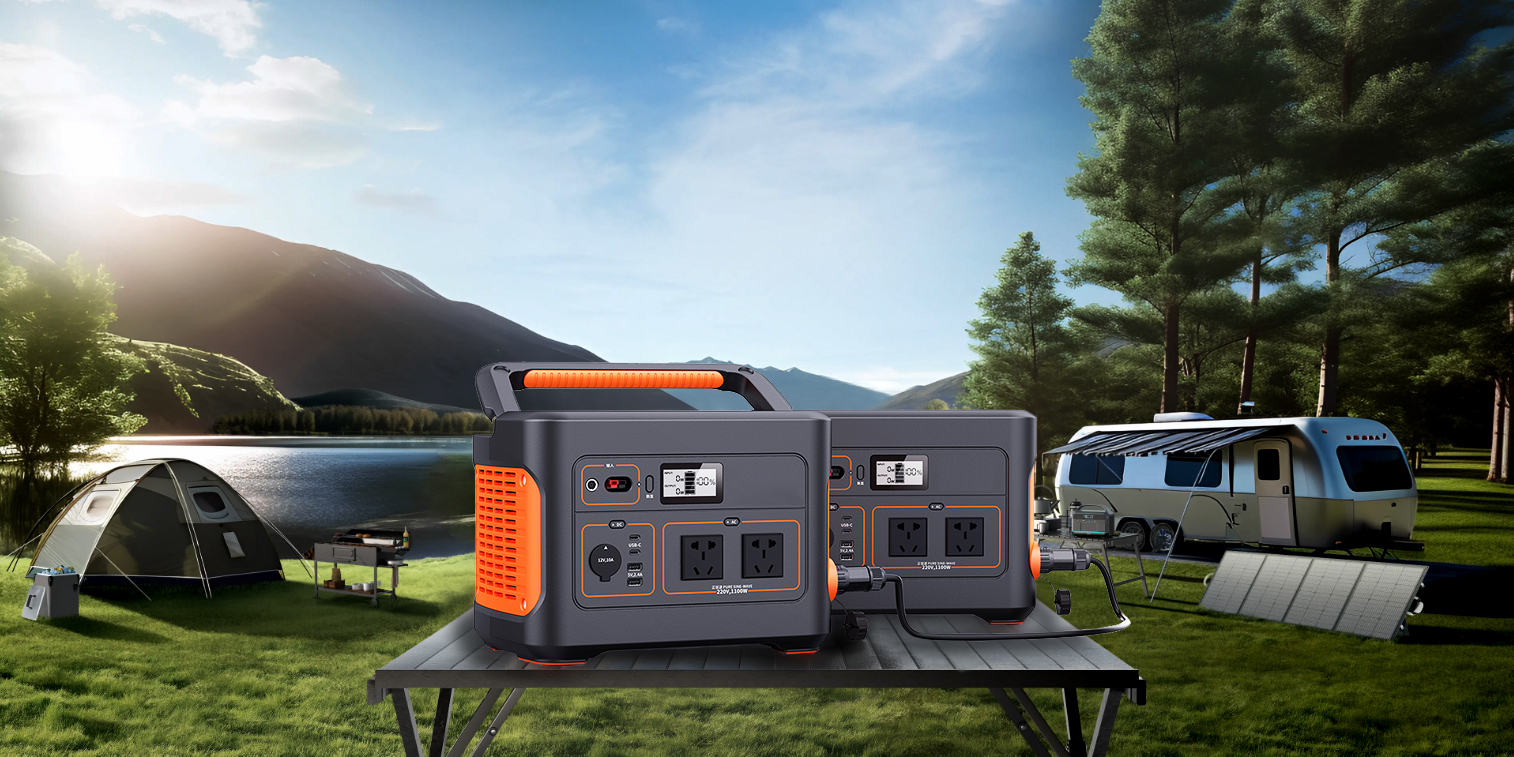
आधुनिक कारखानों में ऊर्जा भंडारण प्रणालियों में तीव्र वृद्धि देखी जा रही है। सुरक्षित संचालन और कुशल विद्युत प्रबंधन सुनिश्चित करने के लिए इन प्रणालियों को मजबूत और विश्वसनीय वायरिंग समाधानों की आवश्यकता होती है। उच्च वोल्टेज वाले वातावरण में स्थापना को सुव्यवस्थित करने, रखरखाव के समय को कम करने और सुरक्षा बढ़ाने के लिए त्वरित टर्मिनल वायरिंग हार्नेस पर निर्भरता रहती है।
बैटरी बैंक और औद्योगिक बिजली आपूर्ति जैसी ऊर्जा भंडारण इकाइयाँ अक्सर चुनौतीपूर्ण परिस्थितियों में काम करती हैं। आपको कई सेल, मॉड्यूल और नियंत्रण इकाइयों को सटीकता से जोड़ना होता है। क्विक टर्मिनल वायरिंग हार्नेस सुरक्षित कनेक्शन प्रदान करते हैं जो कंपन, तापमान में उतार-चढ़ाव और धूल या नमी के संपर्क में आने पर भी सुरक्षित रहते हैं। इससे ढीले तारों या गलत कनेक्शन का खतरा कम हो जाता है, जो बिजली के खतरों या सिस्टम की खराबी का कारण बन सकते हैं।
बख्शीश: स्पष्ट लेबलिंग और कलर कोडिंग वाले हार्नेस का उपयोग करके आप कर्मचारियों की सुरक्षा में सुधार कर सकते हैं। यह अभ्यास आपकी टीम को सर्किट को जल्दी पहचानने में मदद करता है और रखरखाव के दौरान होने वाली त्रुटियों को कम करता है।
मॉड्यूलर डिज़ाइन से आपको कंपोनेंट्स को बदलने या अपग्रेड करने में काफी आसानी होती है, वो भी बिना ज़्यादा वायरिंग बदले। क्विक टर्मिनल वायरिंग हार्नेस प्लग-एंड-प्ले सुविधा प्रदान करते हैं, जिससे आपकी फैक्ट्री के बढ़ने के साथ-साथ एनर्जी स्टोरेज सिस्टम को बढ़ाना भी आसान हो जाता है। इंस्टॉलेशन और नियमित निरीक्षण के दौरान आपका कीमती समय बचता है।
विशेषता | ऊर्जा भंडारण प्रणालियों के लिए लाभ |
|---|---|
प्लग-एंड-प्ले टर्मिनल | तेज़ इंस्टॉलेशन और अपग्रेड |
उच्च-वोल्टेज इन्सुलेशन | बिजली के झटके से बेहतर सुरक्षा |
मॉड्यूलर डिजाइन | सरलीकृत रखरखाव और स्केलेबिलिटी |
टिकाऊ सामग्री | गर्मी, रसायनों और कंपन के प्रति प्रतिरोध |
स्पष्ट लेबलिंग | बेहतर सुरक्षा और समस्या निवारण |
स्थिर विद्युत वितरण बनाए रखने और लाइव टर्मिनलों के साथ आकस्मिक संपर्क को रोकने के लिए आप इन वायरिंग हार्नेस पर निर्भर रहते हैं। साथ ही, आप विद्युत सुरक्षा और प्रदर्शन के लिए उद्योग मानकों का अनुपालन भी सुनिश्चित करते हैं। क्विक टर्मिनल वायरिंग हार्नेस बैटरी प्रबंधन सिस्टम, इन्वर्टर और कंट्रोल पैनल के साथ सहजता से एकीकृत हो जाते हैं। केबलों को व्यवस्थित रखकर और कनेक्शनों को सुरक्षित बनाकर आप एक सुरक्षित और अधिक सुव्यवस्थित कार्यक्षेत्र बनाते हैं।
ऊर्जा भंडारण के उन्नत समाधानों का उपयोग करने वाले कारखानों को अक्सर सख्त ऑडिट आवश्यकताओं का सामना करना पड़ता है। आप वायरिंग हार्नेस की विशिष्टताओं, परीक्षण परिणामों और स्थापना प्रक्रियाओं का दस्तावेजीकरण करके इन आवश्यकताओं को पूरा करते हैं। आप सुरक्षा और विश्वसनीयता के प्रति अपनी प्रतिबद्धता प्रदर्शित करते हैं।
क्विक टर्मिनल वायरिंग हार्नेस का चयन करके आप अपने ऊर्जा भंडारण बुनियादी ढांचे को अनुकूलित करते हैं। यह समाधान कुशल विद्युत प्रबंधन प्रदान करता है, डाउनटाइम को कम करता है और आपके कर्मचारियों को विद्युत खतरों से बचाता है। आप अपने कारखाने में सुरक्षा और उत्पादकता का एक नया मानक स्थापित करते हैं।
वायरिंग हार्नेस का चयन करने से पहले, आपको अपने कारखाने की विशिष्ट आवश्यकताओं का मूल्यांकन करना चाहिए। सुरक्षा और दक्षता सुनिश्चित करने के लिए कई प्रमुख कारकों पर विचार करें:
विद्युत संबंधी आवश्यकताएं, जैसे कि वर्तमान भार, वोल्टेज और आपके उपकरण द्वारा उपयोग किए जाने वाले संकेतों का प्रकार
ईमेल : grace@smartwireconnect.com
टेलीफोन : +8613554925749
Whatsapp : +8613554925749
2-3 Floor, No. 45, Minfu Road, Shatou Industrial Zone, Shajing Street, Bao'an District, Shenzhen, Guangdong, China


©2026 शेन्ज़ेन स्मार्ट कनेक्शन टेक्नोलॉजी कंपनी लिमिटेड सर्वाधिकार सुरक्षित।
 IPv6 नेटवर्क समर्थित